Newsletter Subscribe
Enter your email address below and subscribe to our newsletter

Enter your email address below and subscribe to our newsletter
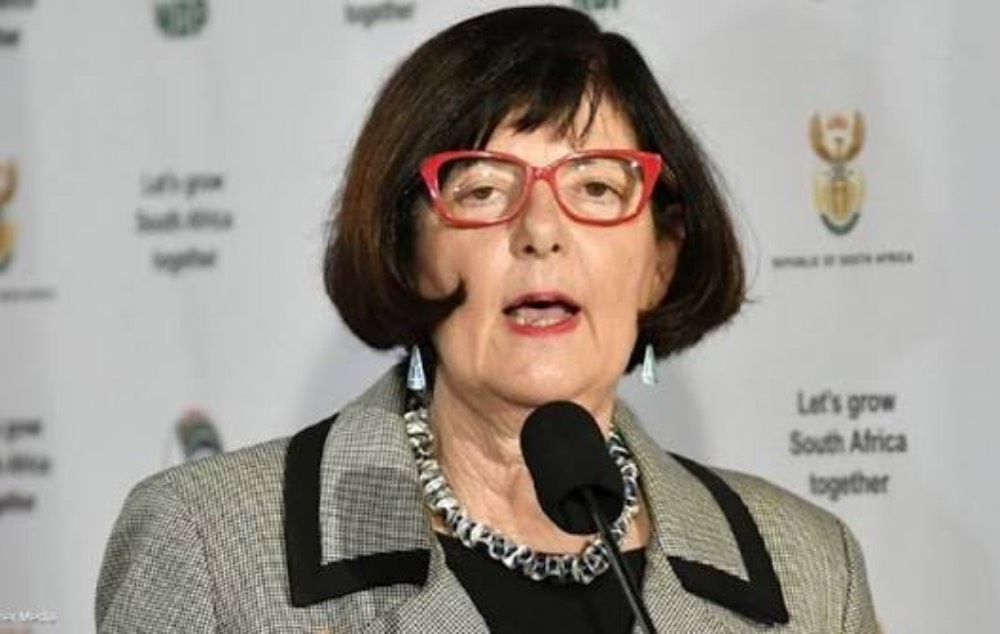
Any SA fuel price increase in 2027 will depend more on oil and the rand than on the Road Accident Fund (RAF) levy. Transport Minister Barbara Creecy has ruled out seeking a higher RAF levy while she is in office. Her comments came days after 95 petrol passed R30 a litre in Gauteng for the first time.
For drivers, her stance removes one risk but leaves several others in place. Below, we look at what Creecy can and can’t control, what 2027 may bring and which apps help you spend less at the pump.
A war-driven oil shock pushed 95 petrol in Gauteng to a record R30.25 a litre on 7 October. The R3.33 jump added about 12% to September’s price of R26.92. Oil markets have been volatile since the US and Israel went to war with Iran in late February 2026.
The table below shows the October adjustment for each grade.
| ⛽ Fuel grade | 📈 Increase from 7 October 2026 | 📍 Inland (Gauteng) price per litre | 🌊 Coastal price per litre |
|---|---|---|---|
| Petrol 95 | +R3.33 | R30.25 | R29.38 |
| Petrol 93 | +R3.12 | R29.88 | R29.09 |
| Diesel 50ppm (wholesale) | +R3.24 | R33.29 | R32.03 |
| Diesel 500ppm (wholesale) | +R2.84 | R31.95 | R31.08 |
The diesel figures are wholesale prices, so what you pay at the forecourt is higher and varies from station to station. AutoTrader expects retail diesel at roughly R33 to R35 a litre.
Government had already used its main emergency lever earlier in the year. Treasury cut the general fuel levy by R3 a litre from 1 April, then phased the relief out by July. It estimated the cost of relief from April to June at R17.2 billion in lost tax revenue.
Creecy’s pledge covers one tax: the RAF levy that funds accident payouts. She told eNCA that her department won’t ask National Treasury for a levy increase while she holds the post. In her view, consumers are “under enough pressure”. The RAF had pushed for its levy to rise to R3 a litre, citing lower fuel sales and growing obligations.
The numbers show what her refusal is worth. Since 1 April 2026, the RAF levy has stood at R2.25 a litre on petrol. A rise to R3 would add 75c a litre, or R37.50 to a 50-litre tank.
Treasury decides the other fuel taxes in each February Budget. Together, these taxes add about R6.58 to every litre of petrol in 2026/27, and the table below breaks that figure down.
| 🧾 Tax in the petrol price | 💰 Rate per litre from 1 April 2026 | 🏛️ Who sets it | 🔮 What 2027 depends on |
|---|---|---|---|
| General fuel levy | R4.10 | National Treasury | February 2027 Budget |
| RAF levy | R2.25 | National Treasury, with policy led by Transport | Creecy’s pledge and the RAF funding review |
| Carbon fuel levy | 19c | Treasury, under the Carbon Tax Act | Scheduled carbon tax increases |
| Customs and excise levy | 4c | National Treasury | Unchanged in 2026 |
The RAF levy itself rose 7c in the February 2026 Budget. It’s unclear whether Treasury will make similar small adjustments in 2027.
Expect more increases before the end of 2026, with possible relief in 2027 if oil prices cool. Early Central Energy Fund (CEF) data pointed to a R4.58 rise for 95 petrol in November. The snapshot published on 13 October suggests closer to R2.78 a litre. The CEF’s daily figures are unaudited, and the official change takes effect on 4 November.
The outlook beyond November is cautiously hopeful. Analysts quoted by Bizcommunity expect WTI crude to average US81inDecember2026andUS73 in 2027. Cheaper oil would ease the basic fuel price. A weaker rand, now around R16.48 to the dollar, could cancel part of that gain.
Two policy decisions also matter. On 8 October, Parliament’s appropriations committee adopted its report on a R10 billion fuel stabilisation bill. The money would help the Department of Mineral and Petroleum Resources soften price spikes. Separately, Creecy expects the RAF funding review to conclude before the 2026/27 financial year ends in March 2027.
Because the state sets petrol prices each month, rewards apps offer most drivers the biggest saving. Within each pricing zone, 95 costs the same at every forecourt, whatever the brand. Retail diesel prices are not regulated, so comparing stations pays off for diesel drivers.
These programmes offer the strongest fuel returns, and each one is managed through an app:
The gap between these programmes is wide. On a 50-litre fill at R30.25, the top UCount rate could return up to R500, subject to any spend caps. BP’s Greenbacks stack returns R22.50 on the same fill. Most top rates require premium accounts or minimum spend, so check your tier in the app. BP also blocks Smart Shopper and Vitality Drive rewards on the same transaction.
For your fuel bill, Creecy’s pledge removes the R3 RAF levy while she holds office. It freezes nothing else. Oil, the rand and Treasury’s February 2027 Budget will decide most of what you pay. Watch the 4 November adjustment and Parliament’s vote on the R10 billion bill. Until those land, your rewards apps offer the saving you can control.