Newsletter Subscribe
Enter your email address below and subscribe to our newsletter

Enter your email address below and subscribe to our newsletter
Bank Zero has recorded its first break-even month. The app-only lender covered its operating costs in August 2026, four years and 10 months after it opened to the public. In the same month, about 500,000 Mukuru customers began moving onto its platform. All amounts in this article are in rand, as reported by the sources.
The Bank Zero first profit is a monthly result. Revenue covered operating costs in August. This does not yet mean the bank is consistently profitable. Bank Zero expects earnings to stay uneven in the short term. The bank forecasts stronger revenue growth and a healthy profit in 2027.
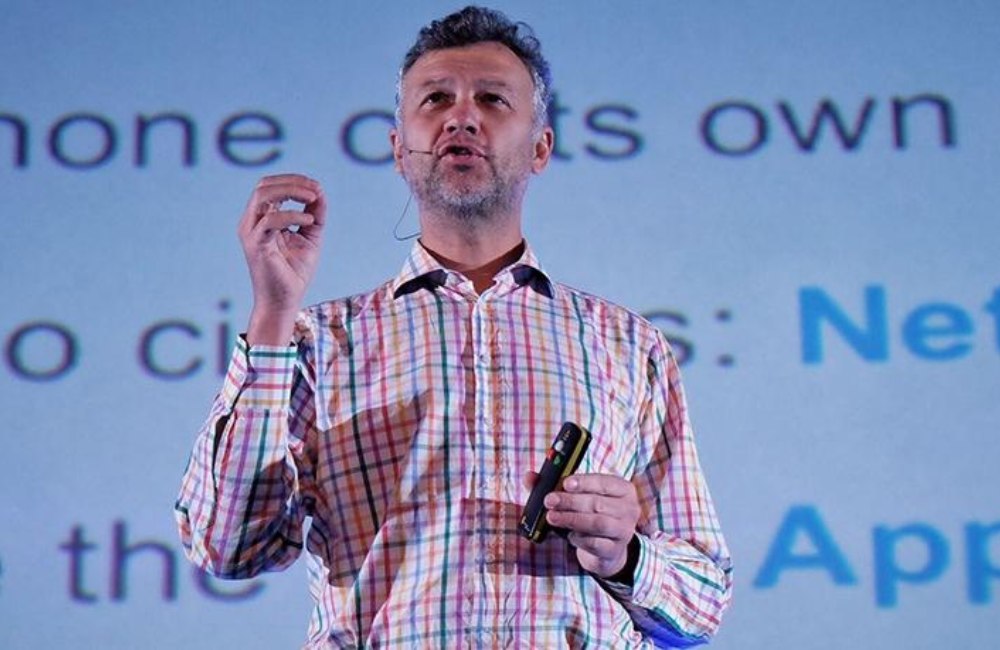
Chairman Michael Jordaan told Bloomberg that the bank reached profitability ahead of expectations. Lesaka Technologies, which is buying the lender, had forecast break-even for December. Bank Zero originally expected to break even at about 100,000 customers. It reached break-even with 275,000 direct customers instead.
| 📌 Metric | 🔢 Figure |
|---|---|
| Direct Bank Zero customers | 275,000 |
| Mukuru customers being onboarded | About 500,000 |
| Total end customers on the platform | More than 700,000 |
| Original break-even target | About 100,000 customers |
| Business accounts as a share of the book | 18% (plan: 10%) |
| Time from public launch to break-even | 4 years and 10 months |
Mukuru customers join Bank Zero through alliance banking. Under this model, fintechs, retailers and digital platforms issue card products on Bank Zero’s infrastructure. These partners do not have to build their own bank. Bank Zero expects much of its future growth to come from alliance banking.
CEO Yatin Narsai told TechCentral that Mukuru customers now have Bank Zero account numbers. Their balances are starting to move across. Every customer needs a new card for the switch. Some of these customers may already bank with Bank Zero, so the combined total includes some overlap.
Mukuru was founded in Cape Town in 2004. The company moves money across more than 60 countries through over 320,000 pay-in and payout points. Most of its customers are migrants or people without a bank account. Mukuru has also been growing its cash payout network in South Africa.
The Mukuru Card was originally backed by Standard Bank. The migration moves a large card base away from one of the big four banks. Narsai says sponsor banks have raised prices for fintechs sharply, in some cases by 100% or more. Bank Zero offered a lower price. The bank prepared for this model through its partnership with Paymentology in April 2026. The deal supports alliance partnerships on Bank Zero’s payments infrastructure.
Michael Jordaan led First National Bank for a decade. He co-founded Bank Zero with Yatin Narsai, the former chief information officer at FNB. The pair launched Bank Zero as a digital-only bank in 2021. Jordaan says reaching profitability without a lending book gives the bank a strong base. Bank Zero has not yet taken on any credit risk.
Four factors helped the bank break even with a small customer base:
Jordaan also expects tougher competition. Insurers, retailers and telecom operators are moving deeper into financial services. He argues that you as a consumer will be better off as the race heats up.
Bank Zero has applied to the South African Reserve Bank and the Prudential Authority to offer loans. The bank plans to fund lending with its deposit base of about R860M and capital from Lesaka. Bank Zero is also waiting for approval to add cross-border foreign exchange services.
Lesaka Technologies agreed in June 2025 to buy 100% of Bank Zero for R1.1bn. The Competition Tribunal approved the merger without conditions. Other regulatory approvals are still outstanding, so Lesaka extended the deal deadline to 31 January 2027.
Deposits have grown quickly. Bank Zero held more than R400M in deposits at the end of April 2025. Jordaan says alliance partners and the Lesaka deal could add about 2 million more customers.
Bank Zero has shown that a zero-fee bank can cover its costs with 275,000 direct customers. The harder test is whether the same technology and cost base can carry a much larger business. The next phase of Bank Zero profitability and expansion rests on alliance partners, lending and the Lesaka deal. If you use a Mukuru card, expect a new card as your account moves across. If you run a business, watch for new loan products once regulators give their approval.