Newsletter Subscribe
Enter your email address below and subscribe to our newsletter

Enter your email address below and subscribe to our newsletter
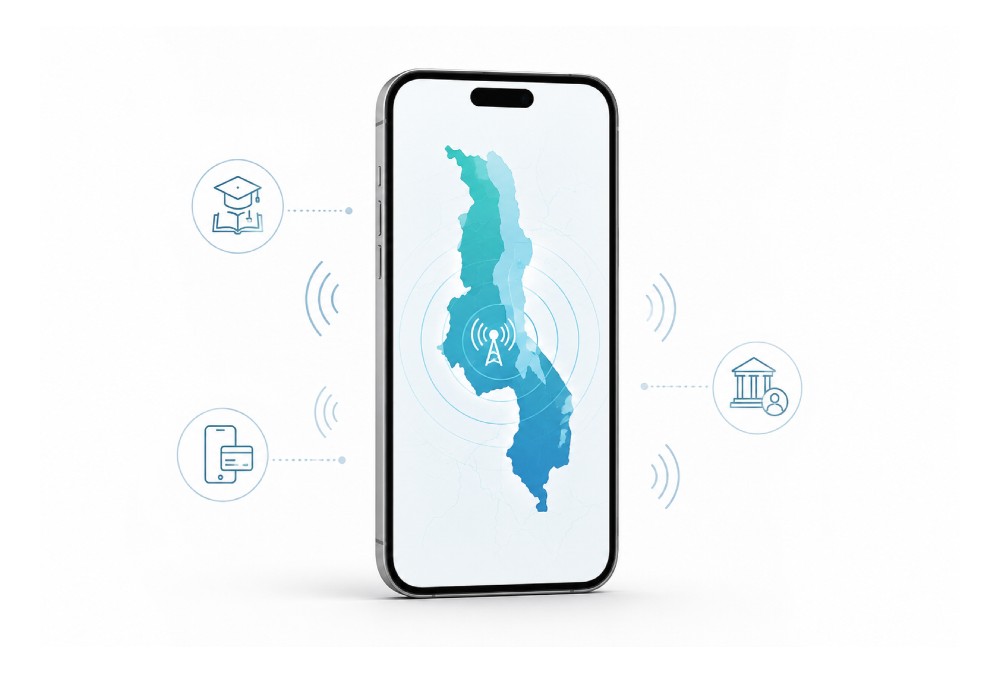
Malawi could generate an additional MWK1.1 trillion in economic value and create 490,000 jobs by 2030 if it introduces reforms aimed at accelerating mobile internet adoption, according to a new report from the GSMA.
The report, Driving Digital Transformation of the Economy in Malawi: Opportunities, Policy Recommendations and the Role of Mobile, argues that greater digital inclusion could improve access to education, financial services and government services while supporting the country’s broader economic development objectives.
Malawi has already made substantial progress in building the infrastructure required for a digital economy. Around 87% of the population was covered by 4G networks in 2025, while the country has some of Africa’s more affordable mobile data prices.
Mobile money adoption is also strong, with 75% of adults actively using the services. More than 576 million mobile money transactions worth MWK8.6 trillion were processed during 2025.
Despite this progress, a significant gap remains between mobile broadband availability and actual internet use.
According to the GSMA, around 80% of Malawi’s population lives within mobile broadband coverage but does not use mobile internet. This compares with an African regional average usage gap of approximately 65%.
Unique mobile internet penetration in Malawi remains at only 12.5%, while smartphone adoption stands at 33%.
The figures suggest Malawi’s next connectivity challenge is less about simply extending network coverage and more about enabling people already covered by networks to get online.
Device affordability, limited digital skills, foreign exchange shortages and high energy costs are among the barriers identified.
“Malawi has made strong progress in expanding connectivity and financial inclusion, but access alone is not enough,” said Caroline Mbugua, Senior Director Public Policy at GSMA Africa.
“With 80% of the population still offline despite network coverage, the priority now must be turning access into meaningful use.”
The GSMA estimates that implementing its recommendations could increase 4G population coverage to 99% by 2030, with alternative technologies providing connectivity to remaining remote areas.
The reforms could add around 810,000 new mobile internet users, taking Malawi’s total to five million.
In addition to the MWK1.1 trillion economic benefit and 490,000 new jobs, greater digital adoption and improved tax compliance could deliver a net positive fiscal impact of MWK179 billion.
The organisation has identified six areas requiring policy intervention.
These include improving investment conditions for telecommunications companies by providing better access to foreign currency, extending spectrum licence periods and reducing energy costs.
The GSMA also recommends more effective Universal Service Fund mechanisms to expand rural connectivity and reforms to support continued mobile money growth.
Affordability remains a major focus, with the report calling for the elimination of the 10% excise duty on mobile services and lower taxes on entry-level smartphones.
Other recommendations include national digital skills programmes, increased availability of digital public services, modernised digital legislation and the development of a coordinated National Digital Economy Strategy.
The GSMA also wants Malawi to develop a national artificial intelligence strategy aligned with wider African frameworks.
For Malawi, the findings suggest that much of the infrastructure required for greater digital participation is already available. The bigger challenge is ensuring that millions of people living within network coverage have the devices, skills and economic means to use it.