Newsletter Subscribe
Enter your email address below and subscribe to our newsletter

Enter your email address below and subscribe to our newsletter
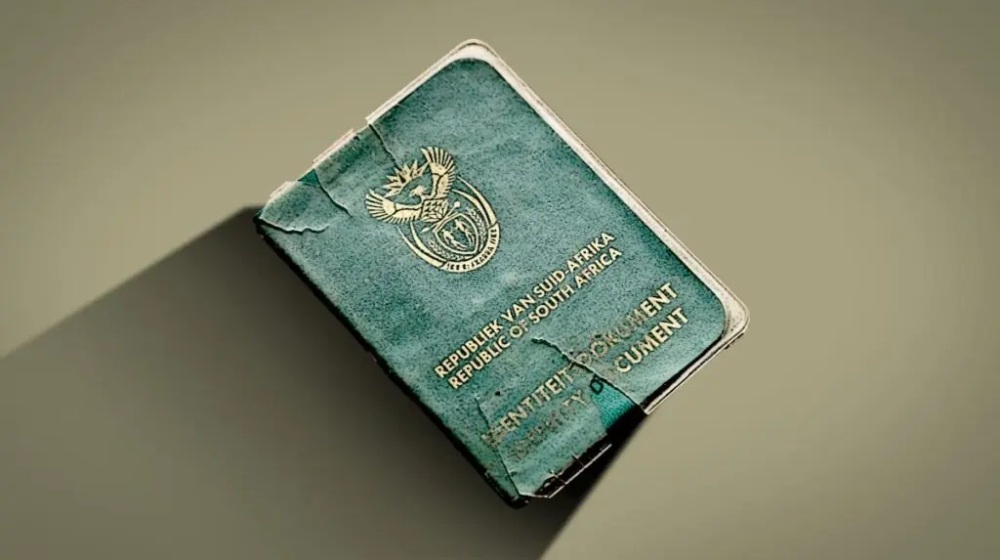
South Africa’s green ID book now has an end date. From 31 March 2028, the booklet will no longer count as a valid identity document. Home Affairs Minister Leon Schreiber announced the deadline on 1 October 2026. He also showed a working digital ID prototype on his own phone. Fees in this article are quoted in rand as published by Home Affairs.
If you still carry a green ID book, you have until 31 March 2028 to replace it. Production stops a year earlier, on 31 March 2027. Home Affairs will then shut down and decommission the machines that print the booklet. After the deadline, the green ID book will no longer be recognised as identification.
About 14.7 million citizens and permanent residents still hold only a green ID book. The number has fallen from 16 million, which Schreiber credits to the bank partnership. He had previously targeted 2029 for the phase-out. Before production ends, Home Affairs will open smart ID cards to naturalised citizens, permanent residents and South Africans living abroad. These groups have historically been excluded.
| 📅 Date | 📌 What Happens |
|---|---|
| 1 October 2026 | Home Affairs announces the deadline and demonstrates a digital ID prototype |
| End of 2026 | Smart ID services planned at more than 1,000 service points |
| Before 31 March 2027 | Naturalised citizens, permanent residents and South Africans abroad gain access to smart ID cards |
| 31 March 2027 | Production of the green ID book ends |
| 2027/2028 financial year | Digital ID credentials planned for citizens |
| 31 March 2028 | Green ID book stops being a valid identity document |
The deadline rests on the bank partnership. According to Schreiber, 515 bank branches now offer walk-in smart ID replacements. More than 822,000 people have used the service since it launched in March. Capitec alone has processed more than 594,000 applications at 248 branches.
Other banks are scaling up too. Standard Bank reached 100 smart ID branches in August. Absa launched the first bank-based mobile unit for smart ID renewals in July.
FNB expanded smart ID services to more of its branches in April. Schreiber says the service will reach more than 1,000 service points by the end of 2026. Only 214 locations offered smart ID replacements before the current government took office.
Here is what you can expect at a participating branch:
The green ID book dates from 1980. It is a paper document with a manually attached photograph. Schreiber calls it one of the most defrauded identity documents on the continent. He says its continued use is irreconcilable with a modern society.
The smart ID card launched in 2013. Its chip stores your fingerprint biometrics and personal details. Officials can also inspect the card itself for signs of tampering. Bank branches connect directly to Home Affairs systems through a secure digital gateway. Schreiber wants to use the same biometric technology for birth registration and passport renewals.
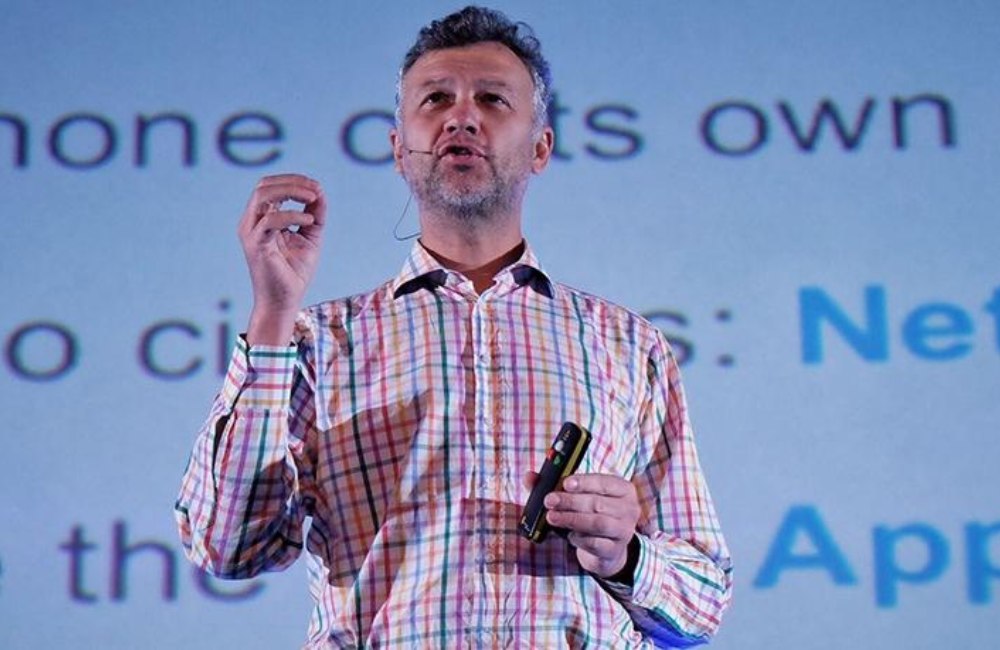
Schreiber says digital ID in South Africa will be voluntary. The physical smart ID card will remain available to anyone who prefers it. On 1 October he opened the MyMzansi app and confirmed his identity with his thumbprint. He switched off his ID number and shared selected details with an official through a QR code.
Schreiber describes the app as a verification tool, not a photo of your ID card. A wallet in the app will also hold documents such as birth and marriage certificates. Users will be able to see every time someone accesses their data.
There is no launch date yet. Home Affairs aims to complete the hosting infrastructure by 31 March 2027. Citizens are due to receive credentials in the 2027/2028 financial year. The draft regulations set a five-year validity for each credential. You would enrol in person at an accredited enrolment point. Identity specialists have criticised the drafts for relying on 2D selfies for liveness checks.
The green ID book has about 18 months of validity left. You can replace it today at a participating bank branch without an appointment. The smart ID card will remain your physical ID, even after digital ID arrives on smartphones. Home Affairs will run a national communications campaign before the deadline. Check which branches near you offer the service and apply before production ends in March 2027.