Newsletter Subscribe
Enter your email address below and subscribe to our newsletter

Enter your email address below and subscribe to our newsletter
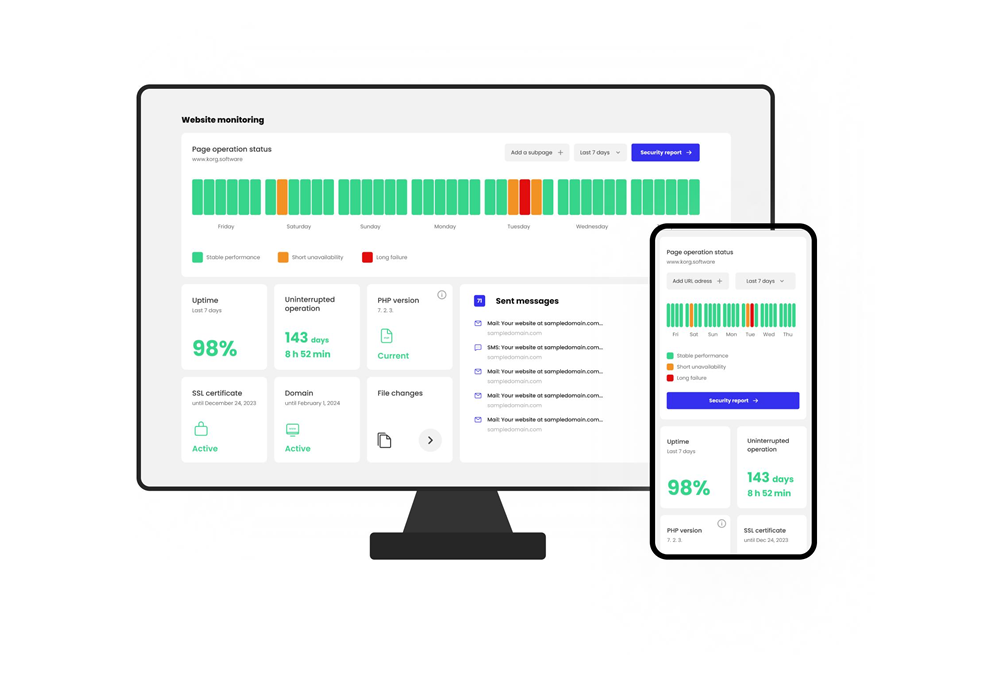
Nothing tests a website owner’s blood pressure quite like opening their own URL and finding a blank screen staring back. You refresh. Then refresh again. Then clear the cache and refresh one more time, like that is going to fix anything. Websites go down for all kinds of reasons, and some of them are embarrassingly simple. Here are five of the most common culprits.
Popularity is usually a good thing, unless your server hears about it first. When a post goes viral, a sale launches, or someone with a massive audience mentions your site, traffic can spike from normal to overwhelming in minutes. Most shared hosting plans handle steady traffic just fine, but sudden surges knock them flat.
The same scaling problem hits businesses processing high transaction volumes. A high volume merchant account provider understands this well, because a payment system that buckles under load does not just cause downtime. It causes lost sales mid-checkout, which is a special kind of painful. Upgrading to a hosting plan that scales with demand is the obvious fix. It is always more convincing after the site has already gone down once.
This is the one that makes people want to slide under their desk and stay there. A website goes offline not because of hackers or hardware failure, but because someone forgot to renew a domain or a hosting subscription. The reminder emails arrived, went unread, and now the site is simply gone.
It happens to solo bloggers and mid-sized companies with actual IT departments. Setting renewals to auto-pay and routing billing emails to an inbox someone checks takes about four minutes and prevents an enormous amount of future embarrassment.
Everything was fine. Then someone pushed an update. A plugin conflict, a theme change, or a single line of code that behaves differently in production than it did in testing can take a working website offline instantly.
The bitter irony is that the site was perfectly healthy until someone tried to improve it. Staging environments exist precisely to catch these moments before real users see them. Skipping that step is a choice that tends to feel reasonable right up until the moment it is not.
A DDoS Attack
A distributed denial-of-service attack is not sophisticated theft. It is closer to a digital traffic jam created on purpose. Thousands of fake requests hit the server at once, none of them legitimate, all of them designed to make the site unreachable by sheer volume.
It works because servers have limits, and a flood of junk traffic hits those limits fast. DDoS attacks target businesses of every size, not just the big ones. Basic protection is available through most hosting providers and content delivery networks, and it costs far less than the downtime it prevents.
Sometimes your site goes down, and you did absolutely nothing wrong. That is cold comfort, but it is still true.
Hosting providers have outages, too. Servers fail, data centers have issues, and infrastructure hiccups happen without any input from you. When the machine your site lives on goes dark, your site goes with it. The best response is a monitoring tool that catches the problem immediately and alerts you before your customers notice. You cannot prevent this one. You can make sure you find out about it before anyone else does.
//Staff writer