Newsletter Subscribe
Enter your email address below and subscribe to our newsletter

Newsletter Subscribe
Enter your email address below and subscribe to our newsletter
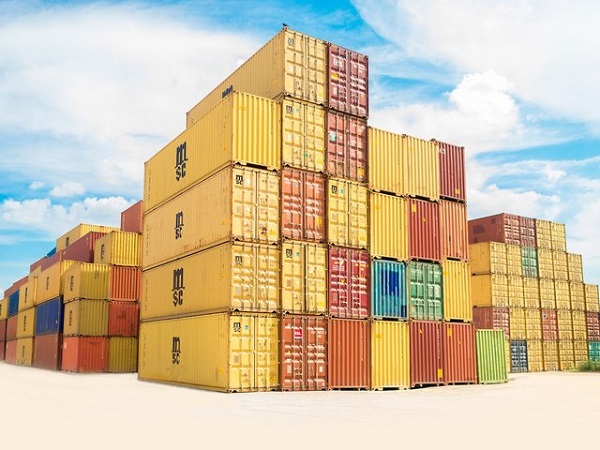

The South African market for eCommerce is experiencing unprecedented progress, but it’s still not large enough for many online businesses. For entrepreneurs looking to take their business to the next level, expanding to new markets has become an important growth strategy.
Venturing into foreign destinations as an eCommerce business offers opportunity aplenty such as increased sales and a competitive advantage. And, with advancements in payment technology, now allowing businesses to accept payments online from consumers anywhere in the world, international expansion has become easier.
Of course, payment processing isn’t the only thing to think about when going global. If you have already confirmed that there is a market for your product and that competition isn’t too intense, the next thing to consider is whether you should adapt your product for the needs of the overseas market.
This tactic is known in the trade as localisation – modifying your standardised product for the people you’re selling it to. Localising a product or service can help you develop more market share and grow your business. The more recognition your product receives, the bigger the opportunity for demand, which leads to more sales.

The world of online payments is a good example of how product localisation works. Take, for example, one of the leading payment services providers, PayU (with whom this article was written in collaboration). The company has a reach in 17 markets across Asia, Central and Eastern Europe, Latin America, the Middle East, and Africa, offering tailored payment packages in each region.
PayU provides region-specific payments support in South Africa. While the eCommerce sector here is still gaining traction, South Africa has a diverse online payment landscape. Credit cards are growing in popularity, but debit cards and eft payments are also among the preferred payment methods locally. PayU enables South African online merchants to accept the right payment types to meet the demands of local consumers and achieve success in the local market.
How to adapt your product to international markets
Before you can start to sell overseas, your eCommerce store may need to customise a particular product, not only in terms of consumer tastes but also for the regulatory requirements of the foreign market. Here are eight things to keep in mind:

Of course, when expanding to cross-border eCommerce, it is possible to keep your product the same for all countries. But this article has shown a few instances where products may not be acceptable in certain markets. It’s essential to do research and be aware of any changes you may need to make.
Staff Writer