Newsletter Subscribe
Enter your email address below and subscribe to our newsletter

Enter your email address below and subscribe to our newsletter
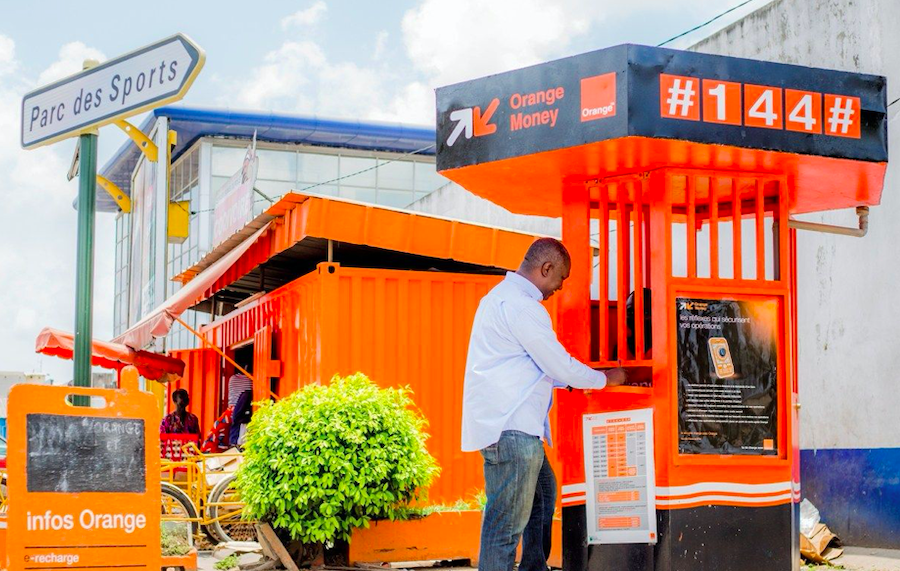
The announcement by Madagascar’s General Directorate of Taxes to introduce a 0.5% tax on mobile money transactions exceeding 150,000 Ar ( $31.80 USD) has sparked strong opposition from the country’s three major mobile money operators—MVola, Orange Money, and Airtel Money. The operators argue that the proposed tax would burden millions of Malagasy users, harm the national economy, and threaten the progress of financial inclusion.
The operators warn that the tax would significantly raise the cost of mobile money services, with fees for transfers increasing by two to five times and merchant payment fees surging by as much as tenfold. This would disproportionately impact vulnerable households, diminishing their purchasing power.
Additionally, the move could jeopardize the livelihoods of the 164,000 distribution agents who depend on mobile money operations. Reduced usage of these services could limit agents’ incomes, affecting the economic stability of an estimated one million people connected to this ecosystem.
Beyond its immediate financial implications, the tax could push users back to cash transactions, undermining the digitization of Madagascar’s economy. The operators caution that this shift could amplify the informal economy, reduce transaction traceability, and complicate tax collection efforts.
The return to cash transactions also raises concerns about increased security risks due to the handling of physical money and potential declines in foreign exchange inflows, which are critical for macroeconomic stability. The proposed tax could deter both local and international investments, sending a negative message to entrepreneurs and investors.
Mobile money operators argue that the tax is unlikely to generate the projected fiscal revenues of 143 billion Ar. Drawing from similar cases in countries like Tanzania, Ghana, and Cameroon, they highlight that such taxes typically result in a significant drop in mobile money activity, with user numbers declining by 30% and transaction values falling by 60% within months.
In Madagascar, they estimate the tax would yield just 50 billion Ar annually, far less than expected, while causing fiscal losses from reduced activity, delayed economic formalization, and stalled digitization efforts—losses projected to range between 60 and 100 billion Ar.
The operators emphasize the need for constructive dialogue to find alternative ways to increase fiscal revenues without undermining financial inclusion. They propose fostering mobile money adoption, which could generate 50 billion Ar in additional tax revenues by 2025 through direct and indirect taxation. Encouraging the digitalization of payments for state services could further formalize the economy, potentially doubling the value of merchant payments and adding 100 billion Ar in tax revenues.
The operators also criticized the lack of consultation on the proposed tax, highlighting the disruption it could cause in a sector that millions of Malagasy rely on daily.
As champions of financial inclusion, MVola, Orange Money, and Airtel Money are urging the General Directorate of Taxes to reconsider the tax and engage in dialogue with stakeholders to develop a fair and sustainable tax framework. They reaffirm their commitment to protecting consumers and advancing economic development in Madagascar.
//Staff writer