Newsletter Subscribe
Enter your email address below and subscribe to our newsletter

Enter your email address below and subscribe to our newsletter

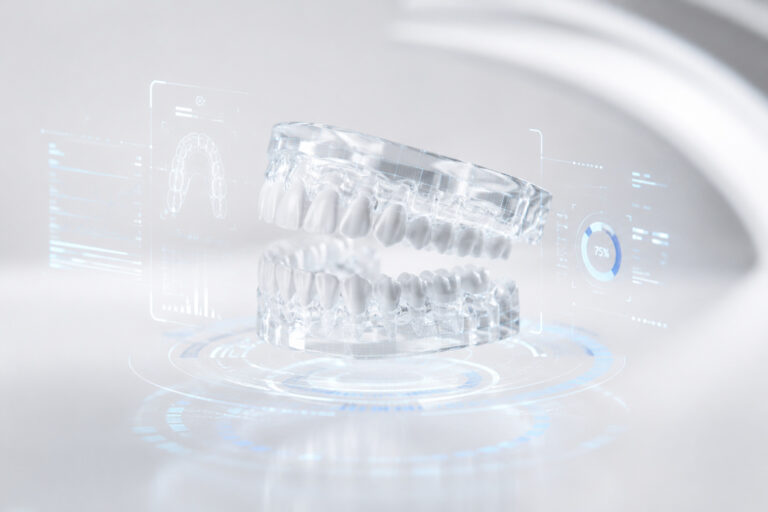
Today, digital dentistry approaches have become an important aspect of modern dental practices, with digital measurement systems, AI-supported diagnostic software, digital tomography systems, in-clinic laboratory automations, and 3D printers.
Processes that once took weeks across restorative dentistry can now be completed within hours through the use of CAD/CAM systems and 3D printing. Technological advances have transformed every aspect of the dental profession, enabling dental professionals to provide digitally enhanced examinations, analyses, diagnoses, and treatment plans.
Intraoral cameras, digital radiography imaging tools, and 3D scanners have become familiar features in modern-day practices, replacing film-based X-rays and molds made from unpleasant impression material.
South African doctors’ adoption of advanced digital technology may be at a slower pace compared to some other countries, but steady growth is evident. The digital dental X-ray market alone is estimated to expand to a market size of USD25 million within the next four years. The South African dental devices market (which includes imaging equipment, scanners, and orthodontic devices) is projected to have been worth about USD 157.23 million in 2025 and grow to approximately USD 177.80 million by 2030, reflecting healthy expansion in dental tech spending and modernization.
Driven by the country’s investment in healthcare infrastructure and the public’s increasing awareness of oral health, more South African dental practitioners are choosing digital dentistry methodologies to deliver dental care. The result is more patient-centered care for both orthodontic and restorative dentistry practices. From chairside scanning to digitally planned treatments, digital dentistry is redefining how patients experience care with shorter appointments, greater transparency, and more predictable outcomes. By integrating digital dentistry platforms and technologies, practitioners are modernizing practice workflows to enable more efficient, connected, and predictable care delivery.
This is because digital dentistry is transforming the definition of what a modern practice is in 5 critical ways.
1. Improved precision through digital scanning and imaging
Digital technology has fundamentally changed how dental impressions are captured. With digital dental impressions, 3D scanning technology creates highly accurate three-dimensional models of patients’ mouths. Align Technology’s iTero Lumina intraoral scanner, for example, visualises oral anatomy with high-resolution 3D scans in seconds. Alternatively, desktop scanners are used to create digitized versions of gypsum models. Both these non-invasive techniques improve the patient experience and diagnostic process.
2. More personalised treatment planning
Digital solutions have made it possible for dental practitioners to customize care for patients based on the unique data and imaging that intraoral scanners and computer-based platforms provide. Patients can also gain a better grasp of their individualized treatment plan recommendations through visual aids created by technology such as augmented reality, artificial intelligence simulations, and planning software.
3. Enhanced preventative care
Within South Africa’s dental sector, the adoption of digital dentistry is being driven by a focus on improving patient care and experience. These technologies are supporting not only diagnostics and treatment planning, but also preventive care, through connected digital ecosystems that enable more consistent monitoring of patients’ oral health.
4. Great practice growth and profitability
The cumulative effect of enhanced patient care, consistent oral health monitoring, shorter visitations, and more efficient processes is a dental practice that can support sustainable growth, be more competitive, and realize higher levels of profitability. Digital dentistry, therefore, not only benefits the patient but the practice too by streamlining digital workflows and allowing practices to scale.
5. Building the practice of the future
Digital dentistry will continue to reshape South Africa’s oral healthcare industry. The practices that adopt these advanced practices now will continue to set a new precedent for oral healthcare, which will become the expected standard for future patient visits. From the consultation phase through to the treatment plan, patients will demand the unmatched precision, convenience, and reliability that only digital dentistry can offer.
Fully integrated end-to-end digital workflows, developed by dental device companies such as Align Technology, will create digital journeys that seamlessly integrate digital patient data, analysis and diagnosis, treatment planning, orthodontic appliances, and tools to support improved doctor-patient experiences. The result is a happier, healthier patient and a digital dentistry practice with both a clinical and commercial advantage.