Newsletter Subscribe
Enter your email address below and subscribe to our newsletter

Enter your email address below and subscribe to our newsletter

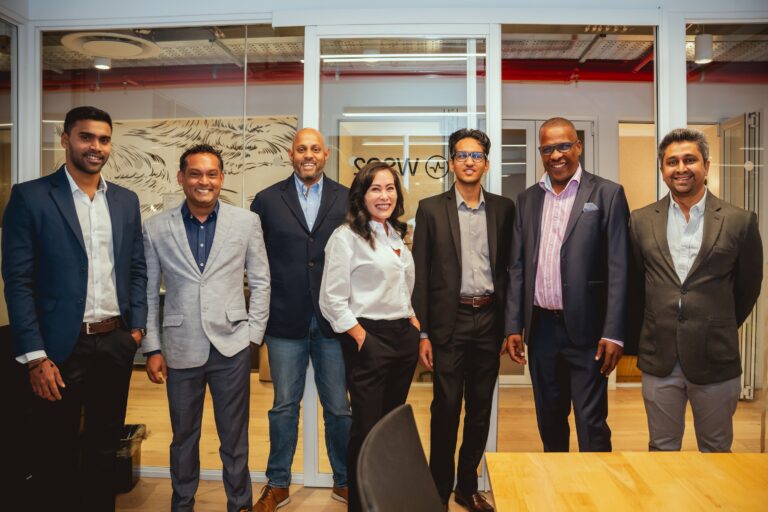
Broadband Infraco SOC Limited (BBI) held its Annual General Meeting (AGM) today, reaffirming its dedication to expanding affordable broadband access across South Africa.
As digital transformation accelerates, BBI continues bridging the connectivity gaps, especially in rural and underserved areas, while fostering competition and investment in the ICT sector.
“With the demand for high-speed internet rising, our role in delivering affordable, high-quality connectivity is more critical than ever,” said Gift Zowa, Chief Executive Officer of BBI. “With the leadership from key stakeholders, including our shareholders, we are committed to strengthening our financial sustainability position, investing in improving our network performance, including with cutting-edge technology, and ensuring that even the most underserved areas have access to reliable broadband.”
While key strategic projects such as the Broadband Access Fund and SA Connect Phase 2 projects remain central to BBI’s mission of driving South Africa’s digital transformation, BBI will now focus on improving the financial challenges, including cash flow constraints and long-term debt obligations. This will be done via product diversification and commercialization of current project opportunities.
“BBI is working towards evolution into a more commercially sustainable entity while staying true to the company dual mandate,” Zowa added.
Aligned with the BBI Strategy 2040, the company’s strategic focus includes expanding digital infrastructure, enhancing financial stability, and positioning BBI as a key partner in the government’s digital transformation. Looking ahead, BBI will prioritize capital investment, debt management, operational excellence and revenue diversification to ensure long-term sustainability and growth.
“Our vision is clear: to intelligently connect government, people, devices, and communities to access the transformative opportunities presented by a digitally enabled world in a sustainable manner,” concluded Zowa