Newsletter Subscribe
Enter your email address below and subscribe to our newsletter

Enter your email address below and subscribe to our newsletter


By 2030, 80 per cent of heritage financial services firms will go out of business, become commoditised or exist only formally but not competing effectively, according to Gartner, Inc. These firms will struggle for relevance as global digital platforms, fintech companies and other non-traditional playersgain greater market share, using technology to change the economics and business models of the industry.
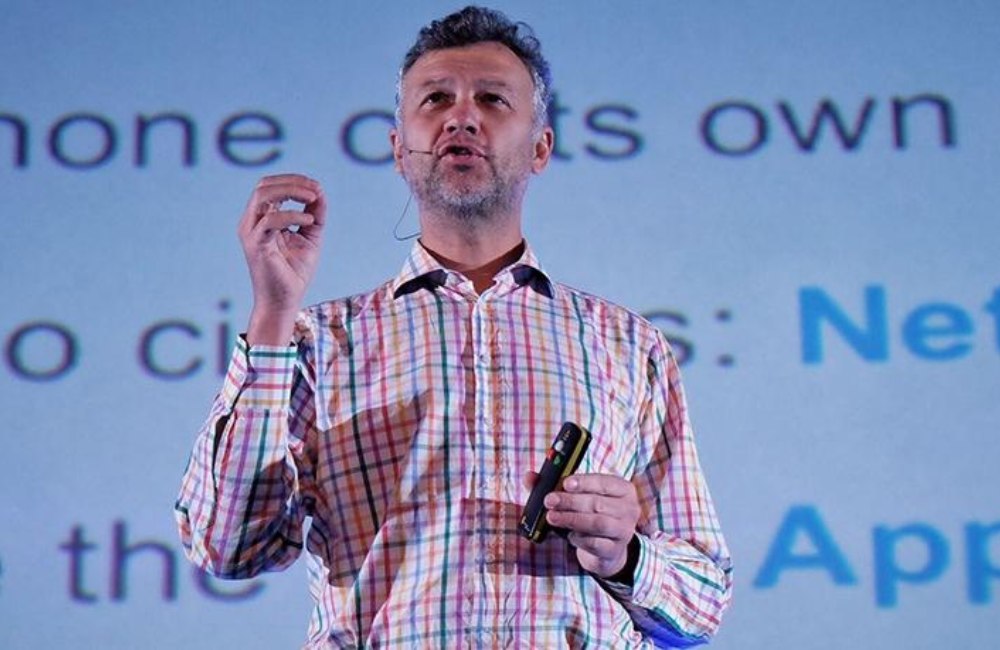
Speaking at Gartner Symposium/ITxpo 2018 on the Gold Coast, Australia today, David Furlonger, vice president and distinguished analyst at Gartner said banks face a growing risk of failure if they continue to maintain 20th century business and operating models.
“Digital transformation is largely a myth as institutional mindsets, processes and structures stand firm,” said Mr Furlonger. “Established financial services providers will have to move faster on digital business by building digital platforms or finding niche products and services to sell on others’ platforms.”
According to Gartner’s 2018 CEO survey, while financial services CEOs continue to prioritise revenue growth, there has been a clear shift toward emphasising efficiency and productivity improvements and the importance of management as growth levers. This shift indicates that digital business is predominantly a channel and transaction automation play, focused on business optimisation as opposed to a transformation.”
Pete Redshaw, practice vice president at Gartner, said this attitude is dangerous.
“It underestimates the degree of change that digital technology will bring to the industry,” he said. “The future of the financial services industry is increasingly weightless, requiring few physical assets to establish or maintain a presence. That makes the industry especially vulnerable to disruption by digital competitors.”
In addition, emerging technologies (such as blockchain) offer transformational opportunities by creating trust between parties that do not know each other, without intermediary relationships that incumbent financial firms cultivate. Equally, peer-to-peer consensus algorithms can directly match borrowers to those with money, without requiring a bank to mediate.
“The biggest mistake financial services CIOs make is putting too much focus on technology,” said Mr Redshaw. “They should push their organisations for a more coherent response to digital business — it’s important to set the digital vision and destination first, then think about how to lead an organisation there.”
According to Gartner, of the 20 per cent of traditional firms that will remain as winners, three types will flourish:
The speed of digital transformation in financial services partly depends on regulation, as well as customer demographics and behaviours, which will vary from country to country. In some nations, conservative regulations will inhibit innovation, while other countries, such as Australia, Brazil, China, India and the UK, will use regulation to speed transformation.
Edited by Neo Sesinye
Follow Neo Sesinye on Twitter
Follow IT News Africa on Twitter