Newsletter Subscribe
Enter your email address below and subscribe to our newsletter
Newsletter Subscribe
Enter your email address below and subscribe to our newsletter

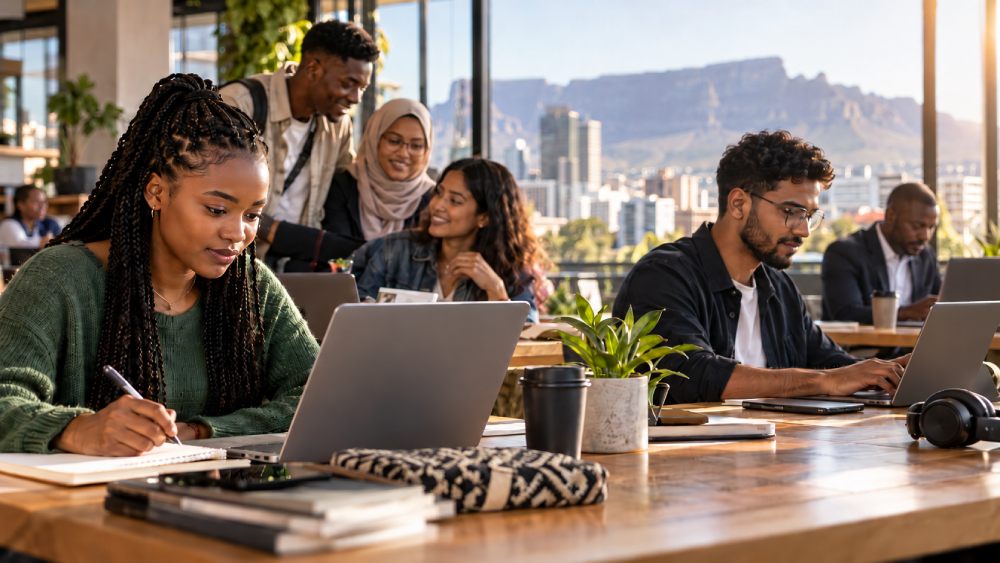
In today’s interconnected digital landscape, the internet has become an integral part of our daily lives. It offers access to a wealth of knowledge, connects us with friends worldwide, and provides a platform for creativity and self-expression. However, it is crucial to acknowledge that the digital world can also reinforce gender inequalities and widen the gender digital divide. Despite these challenges, there is an opportunity to create a safer and more equal internet for women and girls in South Africa.
As we approach Women’s Day in South Africa, it is an opportune time to explore ways to ensure that women and girls can maximize the potential of the internet. According to a report by UN Women, a significant gender gap persists in technology and innovation, with women and girls being underrepresented in various tech-related sectors. Moreover, 259 million fewer women worldwide have internet access compared to men, and they are disproportionately affected by online harassment, stalking, privacy violations, and other challenges.
UN Women’s study of 51 countries reveals that 38% of women have experienced online harassment, but only one in four reported it to authorities. Nearly nine in 10 women chose to limit their online activity due to such harassment. Global and in South Africa, trafficking concerns persist as women face cybercriminals’ manipulation through fake online relationships.
Despite the risks, the answer does not lie in limiting online activity but in empowering women to navigate the internet fearlessly. One crucial step is for women to take control of their online presence by creating private social media profiles with two-factor authentication, sharing content only with known individuals, and minimizing personal information shared. Professional women may consider using separate accounts for their personal and public profiles.
Engaging in open dialogue with young women and girls about their online activities is of paramount importance. Alongside cybercriminal risks, they also face online bullying and other pressures from social media and digital platforms. Parents and mentors should discuss the risks without instilling fear but fostering open conversation. Encouraging responsible online behavior and minimizing potential risks is vital for girls to navigate the digital world safely and confidently.
Practical tips for staying safe online:
Women’s voices can be a powerful catalyst for change, advocating for stricter legislation and protection regarding online challenges. Additionally, educating young people, including young men, about respectful and appropriate communication can take a preventative approach to online threats.
Promote safety and equality, bridging the digital divide for South African women and girls in a secure online world.
By Carey van Vlaanderen, CEO of ESET Southern Africa.