Newsletter Subscribe
Enter your email address below and subscribe to our newsletter

Enter your email address below and subscribe to our newsletter

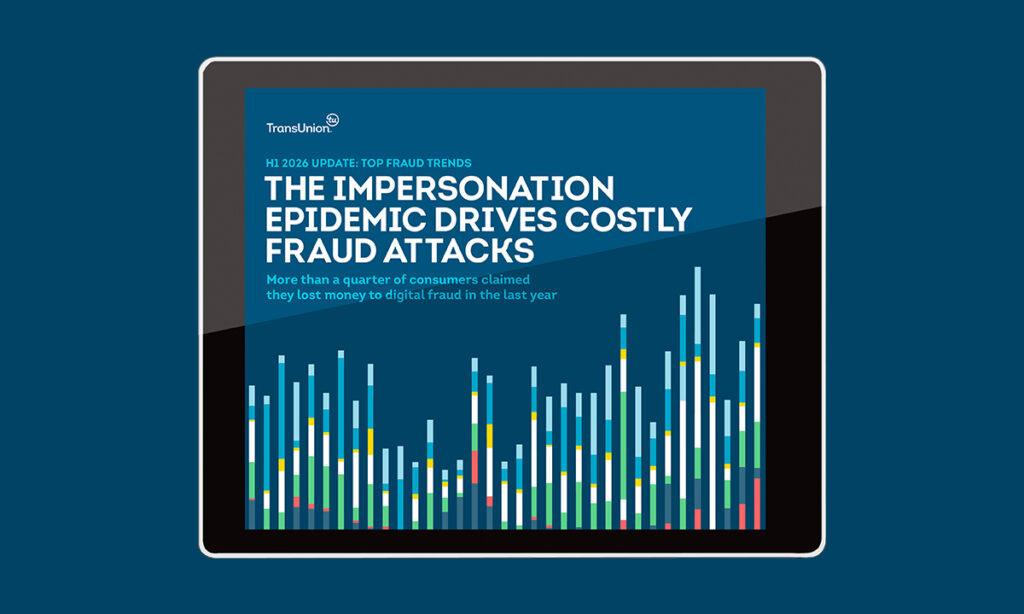
South Africa recorded the highest rate of suspected digital fraud among African countries analysed in 2025, with 3.0% of transactions involving consumers flagged as potentially fraudulent. This figure is slightly below the global average of 3.8%, according to the TransUnion H1 2026 Update: Top Fraud Trends report.
While the suspected fraud rate declined from 4.3% in 2024, the report cautions that this does not necessarily signal reduced criminal activity. Instead, it suggests a shift toward more sophisticated, AI-enabled fraud techniques designed to increase precision, scale, and success rates.
The median reported fraud loss among South African consumers who experienced digital fraud in the past year was R11,055. This is the second highest in Africa after Kenya, but significantly lower than the global median of R27,879.
The findings point to an increasingly complex fraud environment where criminals are using more targeted and coordinated methods across email, online platforms, phone calls, and SMS channels.
According to the report, generative AI is playing an increasing role in enabling fraudsters to execute more convincing and scalable attacks. Criminals are no longer relying solely on traditional phishing or scam messages but are instead embedding themselves within trusted digital environments.
One of the most striking findings is that 33% of South African consumers who lost money to digital fraud reported being targeted through third-party seller scams on legitimate ecommerce platforms. This shows that fraud is increasingly occurring within trusted ecosystems rather than obvious or suspicious environments.
“Criminals are exploiting established trust and verified digital relationships,” said TransUnion Africa fraud expert Amritha Reddy, noting that this marks a shift away from global patterns dominated by phishing and vishing attacks.
South Africa is also unusual in that most suspected fraud occurs at the account login stage. In 2025, 3.0% of login attempts were flagged as potentially fraudulent, compared to 2.4% at account creation and just 0.7% during financial transactions.
This indicates a strong focus on account takeover attacks using compromised credentials, SIM swaps, and social engineering rather than the creation of fake accounts.
Reddy noted that fraud prevention strategies must therefore extend beyond onboarding and cover the entire customer lifecycle.
Fraud patterns also vary significantly by sector. In South Africa, government-related transactions recorded the highest suspected fraud rate at 12.5%, followed by gaming at 11.5% and insurance at 7.8%.
The report highlights that digitalisation of public services, while improving accessibility, has also created new opportunities for impersonation and fraud.
“Fraudsters are leveraging official branding and service messages to impersonate the state,” Reddy said.
Consumer expectations are also shaping fraud prevention priorities. The survey found that 85% of South African consumers consider data security the most important factor when choosing who to transact with online.
Ease of payment and simplified application processes followed closely, but the findings reinforce that consumers are willing to accept some friction if it improves security and trust.
The report concludes that South Africa has entered a more advanced fraud phase, where criminals increasingly exploit trust, operate across multiple channels, and target established digital relationships.
As AI continues to accelerate fraud sophistication, both consumers and businesses are urged to strengthen identity protection, adopt adaptive authentication, and invest in continuous fraud detection across the full digital journey.
//Staff writer