Newsletter Subscribe
Enter your email address below and subscribe to our newsletter

Enter your email address below and subscribe to our newsletter
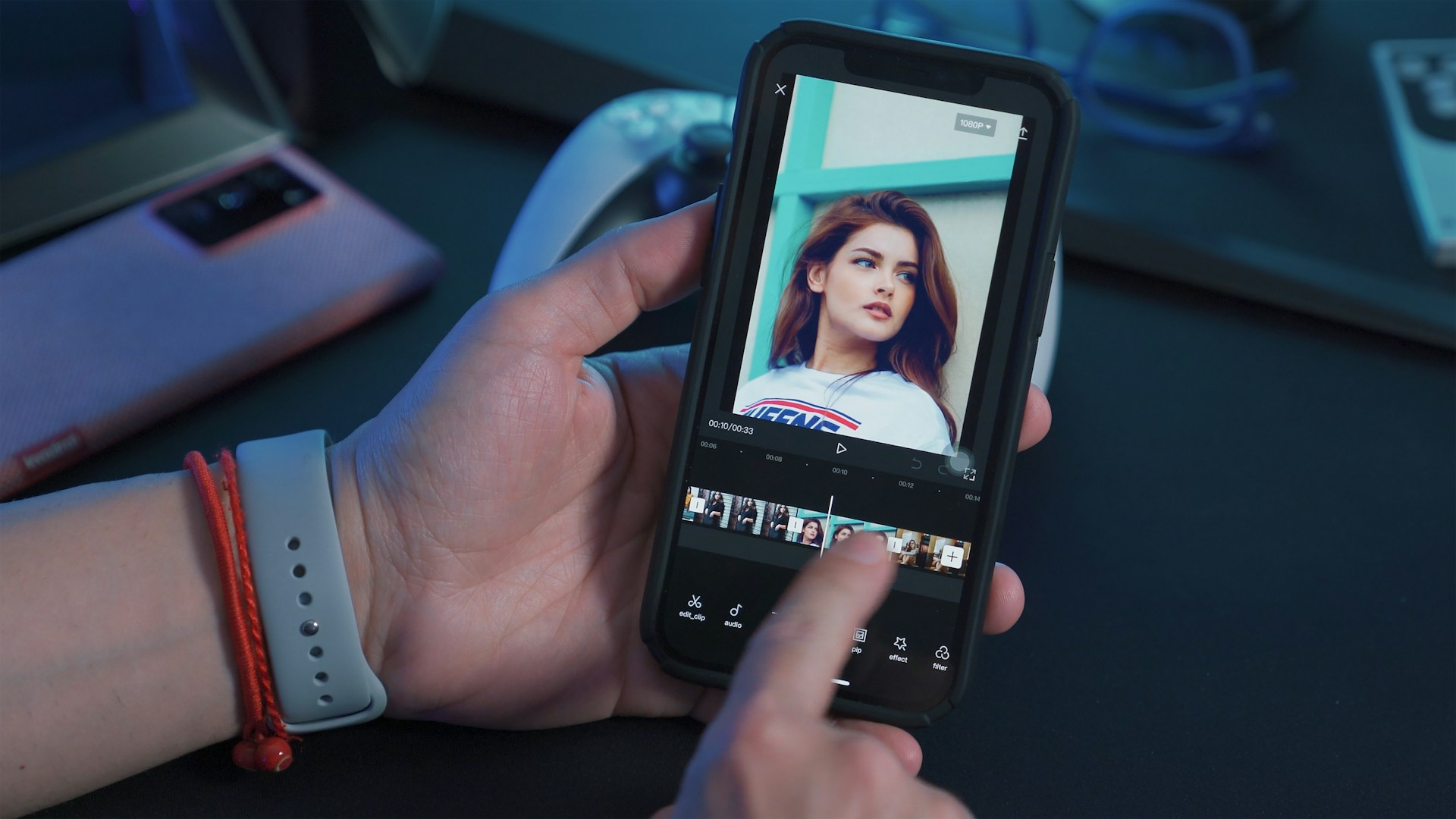
Artificial intelligence’s rapid growth has transformed how creators, marketers, and digital teams do visual production. In the case of the Seedream 5.0 Pro art generator, there is a large-scale movement towards AI-aided creative workflows which present a balance of automation and greater control of visual output. As companies put more into digital storytelling, social media campaigns, and interactive multimedia experiences, they are in turn increasing their use of AI in content production.
Rather than replacing creative decision-making, what is emerging is that new AI technologies are to support professionals, which in turn reduces repetitive tasks, improves efficiency, and at the same time opens up what is possible in terms of visual experimentation. These trends play out in industries from marketing and advertising to entertainment, education and online publishing.
Traditional in the practice of content creation, which is visual in nature, is to go through many stages which include concept development, design, editing, and optimization for many platforms. Also, these processes may take up a great deal of time and coordination, in particular when producing large-scale content for digital channels.
AI developed creative tools which are putting forth new methods in image generation, visual refinement, and content adaptation. The Seedream 5.0 Pro art generator in this regard is at the forefront of that trend, which reports to very advanced AI-assisted creation processes that enable users to play out ideas, work up concepts, and produce visual elements faster.
These changes in the tools are a result of a greater need for which there are solutions for professional creators as well as teams that are dealing with very complex content requirements.
In the field of AI creative tech, one of the noted areas of growth is in the area of video and image generation, which has seen great improvement. Today’s systems also are doing a better job at interpreting creative input, at maintaining visual cohesiveness, and at helping users to take a concept from a rough idea to a polished digital product.
Improved AI generation tools which enable creators to play around with various styles, formats, and storytelling strategies without going through each stage of production at a manual level. This is especially true for teams that work on short-form video content, promotional materials, product demos, and digital campaigns.
AI’s role in creative processes is to break down production barriers. At the beginning of a project, designers and marketers are able to play with many visual options, which in turn helps them to make informed creative choices which in turn reduce the risk of large resource investment in a final product that may not be what was envisioned.
Efficiency is at the core of what takes place in digital content creation. Brands, agencies and independent creators are producing content very often for their websites, social media platforms, ads and other digital forums.
AI-powered tools which have seen great workflow improvement by taking users from the initial idea stage to the production of visual drafts at a much faster rate. Also, instead of jumping into a project from the ground up, creators may use AI-developed concepts as a base which they then edit, customise and refine.
The Seedream 5.0 Pro art generator reports that what is emerging is a new role for AI in what is today’s creative suite of tools which puts the human touch at the core. Artists use the output as a base for inspiration, which they in turn modify to fit project needs and also report back into conventional design methods.
AI is present in many practical applications which play out. In marketing, for example, teams use AI-generated visuals to come up with campaign ideas, produce social media content, and test out different marketing materials before going live with large-scale initiatives.
In the world of social media creation, speed in visual production is key to maintaining a consistent publish schedule at the same time as it enables trying out many different stories. Short video, animated graphics, and content that is specific to each platform do best with quick turnaround.
AI is also a force in the field of visual storytelling. In the area of design and production of content, filmmakers, educators and digital publishers are using AI-assisted tools, which in turn they use to create concepts, illustrations and support media that in large part augment audience engagement.
These examples show that AI-generated content is going beyond a single industry. Instead, it is a part of a larger system which includes creativity, technology and communication.
As technology for AI grows, what is effective in visual communication is still a function of human creativity, planning and strategic thought. Beyond technical production skills, success in content requires also that which comes from audience understanding, message definition, and a consistent visual identity.
AI in the coming years will see a great deal of human creators teaming up with intelligent systems. AI will be put to use in speeding up production, in putting forth new ideas, and in simplifying complex tasks, which in turn will free up time for creative professionals to bring in their judgement and originality to develop relevant content.
The rise of AI in creative tech is a game changer in digital content production and management. The Seedream 5.0 Pro art generator is a prime example of the growing role of artificial intelligence, in which it supports visual art production, improves workflow and also broadens what is possible in terms of creative output.
As organisations see growth in digital communication, AI-assisted tools play a key role in today’s content strategies. Their success is in not only what the technology does but also in how it is put into play within the framework of relevant and audience-centred stories.