Newsletter Subscribe
Enter your email address below and subscribe to our newsletter

Enter your email address below and subscribe to our newsletter
For years, storage was viewed as a back-office technology decision. Organisations bought additional capacity when they needed more space, upgraded ageing infrastructure every few years and largely left storage discussions to IT departments.
Today, that thinking no longer holds.
Artificial intelligence, cyber resilience and the rapid growth of enterprise data have fundamentally changed the role storage plays inside modern organisations. Across South Africa, CIOs are discovering that storage decisions now influence far more than system performance. They affect an organisation’s ability to adopt AI, recover from cyberattacks, support hybrid cloud environments and respond quickly to changing business demands.
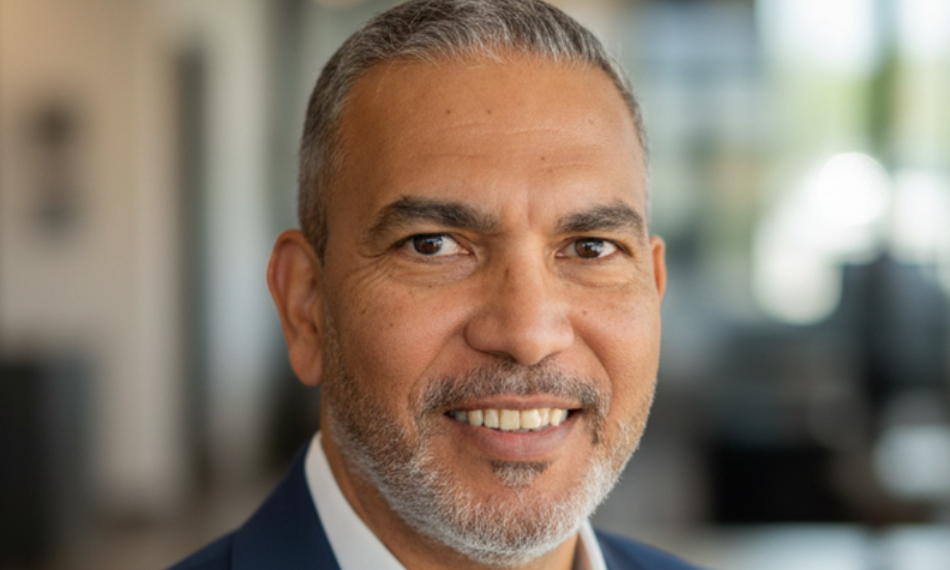
According to Marc, Sales Director at Dell Technologies South Africa, storage has quietly become one of the most important strategic technology decisions organisations make.
“Storage has traditionally been viewed as infrastructure that simply keeps the business running. Today, it enables the business to innovate. Organisations are asking much bigger questions about agility, cyber resilience and AI readiness, and storage sits at the centre of every one of those conversations.”
South African organisations are under growing pressure to modernise while managing constrained budgets, increasing cyber threats and a rapidly evolving technology landscape. Many are investing in AI initiatives, modern workplace technologies and hybrid cloud environments, yet these ambitions all rely on one common foundation: trusted, resilient data.
For many organisations, storage is still something that is upgraded only when capacity runs low or ageing hardware needs replacing. However, as AI workloads grow and data volumes increase, storage has become a strategic business investment rather than simply another infrastructure refresh.
“No business plans to remain exactly the same size over the next five years,” says Marc. “Technology investments should reflect that reality. Organisations need platforms that can grow without forcing disruptive upgrades or unexpected costs every time business requirements change.”
AI is exposing weaknesses many organisations have lived with for years. Data trapped in silos, infrastructure that cannot scale efficiently and increasingly complex storage environments become far more visible once organisations begin deploying AI workloads. The quality of AI outcomes increasingly depends on the quality, accessibility and resilience of the data that underpins them. “Many organisations think their AI journey starts with models or GPUs,” says Marc. “In reality, it starts with understanding whether your infrastructure is ready to support AI at scale.”
Operational simplicity has also become a business priority. Lean IT teams are expected to manage servers, networking, cloud, cybersecurity and storage while simultaneously driving digital transformation. Infrastructure should simplify operations, not add complexity.
“South African IT teams are being asked to deliver more with fewer resources. Modern infrastructure needs to be intuitive enough that generalist IT teams can manage it confidently while focusing on strategic business priorities,” says Marc.
Today’s storage platforms must do far more than simply store information. They must help organisations recover quickly from cyber incidents, support regulatory compliance, protect critical business information and maintain operational continuity.
“Cyber resilience has become one of the defining requirements of modern infrastructure. Organisations want confidence that their most valuable asset – their data – remains protected and recoverable regardless of what happens,” says Marc.
Investment protection is equally important. Future-ready storage platforms should allow organisations to scale capacity and performance over time while protecting previous investments and avoiding unnecessary disruption.
Technology refreshes come and go. AI platforms will continue to evolve. However, organisations that treat storage as a strategic business capability rather than a routine infrastructure purchase will be better positioned to adopt AI, strengthen cyber resilience and respond to changing business demands.
“The organisations that will lead over the next decade won’t necessarily be those investing the most in AI,” concludes Marc. “They’ll be the organisations that build the strongest data foundations. When your data is resilient, accessible and ready for AI, every future technology investment becomes more valuable.”